Lugana Wine: A Complete Guide to the White of Lake Garda
December 17, 2025
Young Lugana or Lugana Riserva: Differences and How to Choose
December 17, 2025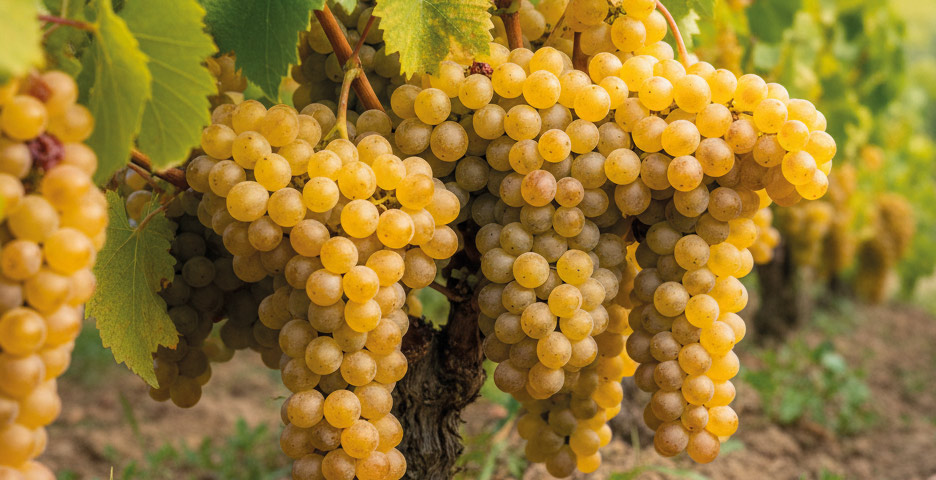
When a wine becomes a denomination
A controlled designation of origin is never born by chance.
It comes into being when a territory decides to put its identity into writing, to protect it, and to make it recognizable over time.
Lugana DOC is exactly this: a silent pact between the land, the lake, and those who cultivate it. A set of rules—the Lugana production regulations—that are not meant to constrain the wine, but to prevent it from losing its way.
The production area: a natural boundary
The Lugana DOC area stretches south of Lake Garda, within a limited and clearly defined zone shared between Lombardy and Veneto. The municipalities involved are few, and this is no coincidence:
- Sirmione
- Desenzano del Garda
- Lonato del Garda
- Pozzolengo
- Peschiera del Garda
Here, the lake is not a backdrop but a constant presence. It influences the climate, softens temperature fluctuations, and accompanies grape ripening. Daily breezes dry the air, light reflects off the water, and nights remain mild.
It is a delicate balance that works only in this precise place.
The soils: clay that holds memory
If the lake moderates, the soil decides.
In Lugana, the soil is clay-rich, compact, deep, and of morainic origin. It drains slowly, retains water, and forces the vine to root deeply.
This effort is translated into the wine:
structure, salinity, tension.
This is where the distinctive minerality is born—what makes Lugana unlike any other Italian white wine.
The Lugana production regulations: rules that protect
The Lugana DOC production regulations establish clear boundaries, essential to preserving the wine’s style and identity.
Among the key points:
- predominant use of the Turbiana grape
- controlled yields per hectare
- precise parameters for ripeness and alcohol levels
- distinction among the different Lugana styles
These are not technical details for their own sake. They are protective tools, designed to prevent the name Lugana from becoming an empty label.
The Turbiana grape: the core of everything
The Turbiana grape variety is the backbone of Lugana DOC.
Often associated with Trebbiano, it stands apart for its character, structure, and aging potential.
It is a grape that:
- retains acidity even in the warmest vintages
- expresses a strong sense of place
- evolves slowly over time
Turbiana is never showy. It is precise, deep, and consistent. And it demands expertise, because every mistake is clearly reflected in the wine.
The styles recognized under Lugana DOC
The regulations define several expressions of Lugana, each with its own identity:
- Lugana DOC: the most immediate, fresh, and linear expression
- Lugana Superiore DOC: greater structure and aging
- Lugana Riserva DOC: time, depth, and complexity
- Lugana Late Harvest DOC: ripeness and softness
- Lugana Sparkling DOC: tension and finesse
These are not stylistic variations, but different interpretations of the same territory.
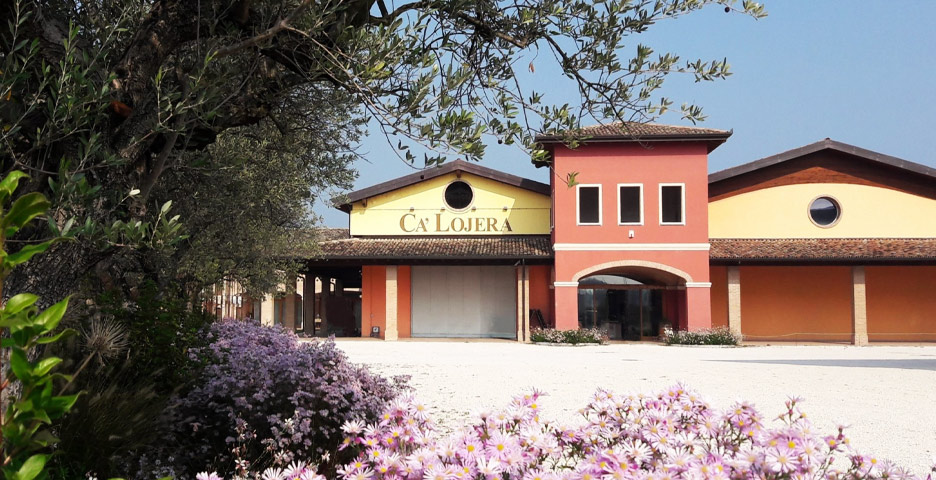
Ca’ Lojera and respect for the denomination
For Ca’ Lojera, the production regulations are not a limit, but a foundation.
The real work begins beyond the rules: in knowing the vineyards, reading each vintage, and interpreting Turbiana without distorting it.
Every Lugana is born from a balance of choices: intervening when necessary, stepping back when the moment is right. This is how a denomination becomes expression, not just certification.
Why Lugana DOC is recognized everywhere
In an increasingly crowded wine landscape, Lugana DOC has built its reputation on clear elements:
- a limited territory
- an identity-driven grape variety
- a recognizable style
- strong aging potential
It is a wine that does not change its skin with every harvest, but grows while remaining coherent. And this is perhaps why it continues to be chosen, year after year.
A production code that tells a story
Lugana DOC is not just a designation on a label.
It is a story written between lake and land, shaped by natural boundaries, shared choices, and deep respect for what makes this wine unique.
Drinking a Lugana from Ca’ Lojera means stepping into this story—no translation required.