Young Lugana or Lugana Riserva: Differences and How to Choose
December 17, 2025
Where Lugana Is Born: DOC Area, Municipalities and Garda Climate
December 18, 2025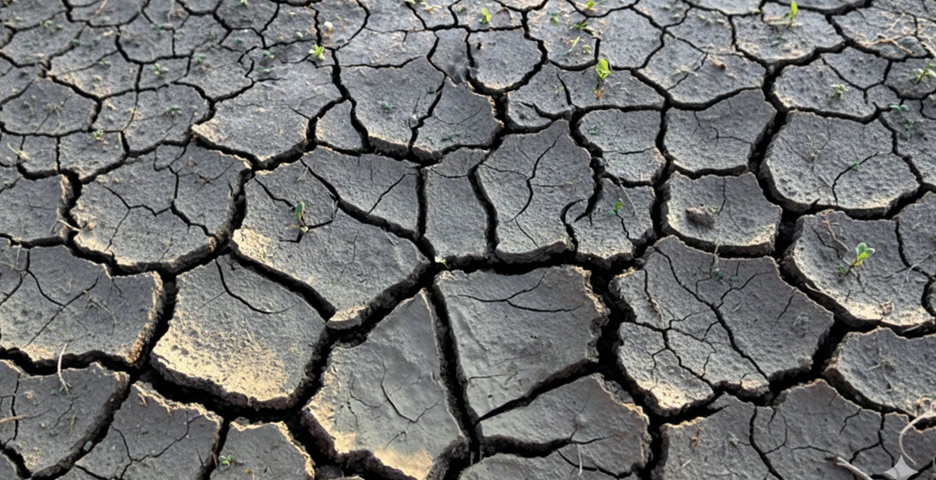
Terroir is not an abstract concept
Terroir is not an elegant word to use in tastings.
It is a tangible balance, made of elements that interact every day: land, water, air, light, and time.
In the case of Lugana, this dialogue is constant and silent. It takes place along the southern shores of Lake Garda, where the vine grows in a setting unlike any other in Italy.
The lake as a constant presence
Lake Garda does more than reflect the landscape—it shapes it.
It acts as a natural regulator, softening winters, moderating summers, and guiding grape ripening with a steady rhythm.
Daily breezes reduce humidity, temperature variations are limited, and light is consistent. This microclimate allows the vine to grow without stress, encouraging slow and complete ripening.
This is where the identity of Garda wine is born.
Lugana soils: clay that builds structure
If the lake governs the climate, the soil defines character.
In Lugana, the land is clay-rich, deep, and of morainic origin. A soil that retains water and heat, demanding deep roots and patience from the vine.
This type of soil plays a decisive role in shaping:
- the wine’s structure
- salinity
- mineral tension
- aging potential
It is not an easy land, but it is generous to those who respect it.
Light: an invisible ingredient
There is another element that is often overlooked: light.
Lake Garda reflects sunlight, amplifying exposure across the vineyards. Leaves work more efficiently, photosynthesis is continuous, and grapes ripen evenly.
This luminous balance contributes to Lugana’s aromatic precision, expressive clarity, and natural elegance.
The grape variety as an interpreter of place
The Turbiana grape does not impose character—it translates it.
It is a variety capable of reading the territory and expressing it faithfully. This is why Lugana is so closely tied to its place of origin and so difficult to replicate elsewhere.
At Lake Garda, wine and grape find a rare harmony. Turbiana absorbs the soil’s minerality, the climate’s freshness, and the lake’s light, transforming them into balance and depth.
A wine that speaks of a lake, not the sea
Garda wines do not seek a maritime imprint, but a different kind of salinity—more subtle, more inward.
A salinity born of clay, fresh water, and moving air.
In Lugana, this signature is always present, even as the wine evolves. It is the thread that unites all its expressions, from the youngest to the most mature.
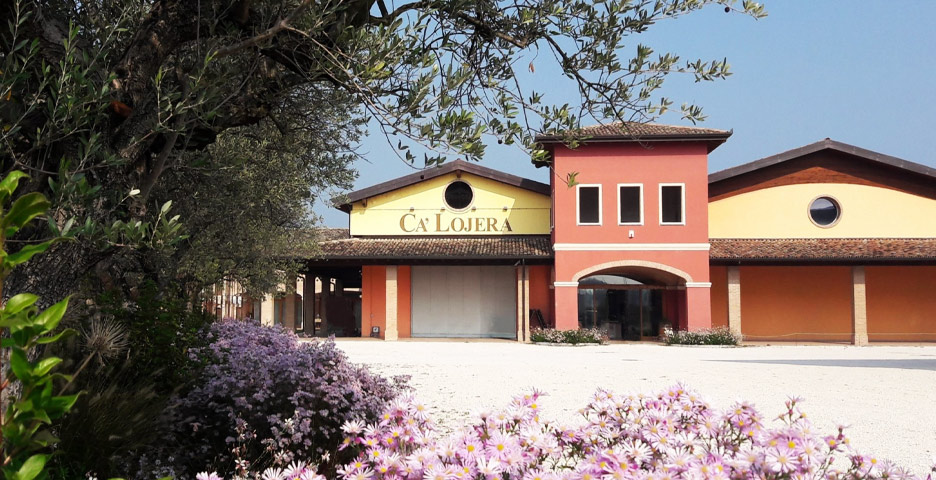
Ca’ Lojera and respect for terroir
At Ca’ Lojera Winery, terroir is not something to describe, but something to respect.
Daily work begins with observation—of the soil, the vine, and the vintage.
Viticultural and cellar choices aim not to interrupt the dialogue between lake and land, guiding the wine without overpowering its voice.
Why Lugana’s terroir is unique
Lugana’s terroir is unique because it cannot be replicated.
It is not the sum of its elements, but the way they coexist.
- a great lake that regulates the climate
- complex soils that give structure
- a grape variety that knows how to listen
- a balance built over time
This is where a Garda wine is born—one that is recognizable anywhere, without ever losing its elegance.
Lake Garda in the glass
Drinking a Lugana means drinking the lake, in the form of balance.
Not its image, but its breath. Not its surface, but its depth.
And perhaps this is Lugana’s secret: it does not describe the territory—it gives it back.