The Terroir of Lugana: Lake Garda in the Wine
December 18, 2025
Wines of Lake Garda: Why Lugana Is the Iconic White Wine
December 18, 2025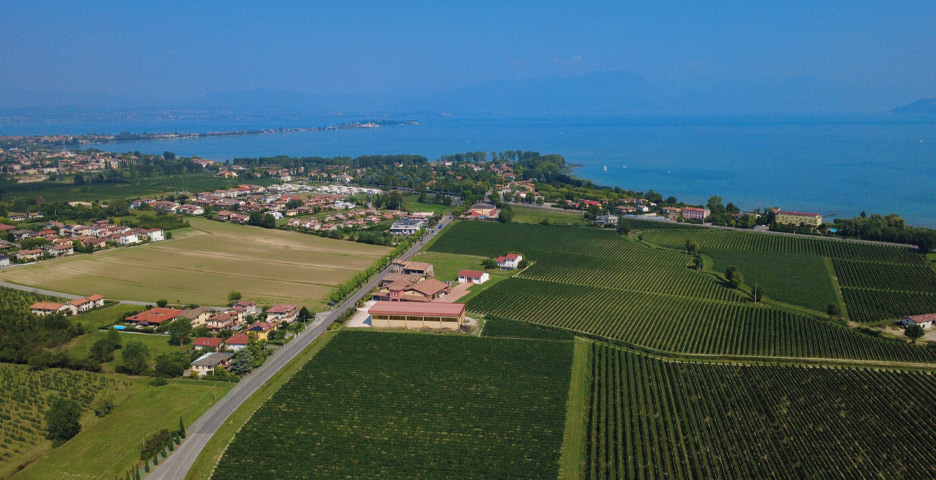
A precise place, not an abstract idea
Lugana is not born “on Lake Garda” in a generic sense.
It is born in a precise, recognizable, and limited place. The Lugana DOC area is a territory that has chosen not to expand beyond what it can truly sustain, because it knows that identity is not measured in hectares, but in coherence.
It is a strip of land running south of Lake Garda, where the lake stops being scenery and becomes an agricultural force.
The Lugana DOC area: a natural boundary
The Lugana DOC production area stretches between Lombardy and Veneto, following a logic that is not administrative, but natural. The boundaries of the denomination coincide with those of soil and climate, not with political maps.
It is a continuous, homogeneous area that lives by the same lakeside breath.
The municipalities of Lugana: names that tell the wine’s story
The municipalities of Lugana are few, and each contributes a different nuance to the same narrative:
- Sirmione, suspended between water and land
- Desenzano del Garda, more open, brighter
- Lonato del Garda, with vineyards looking inland
- Pozzolengo, the agricultural and hilly heart
- Peschiera del Garda, the meeting point between lake and plain
There are no separate styles, but a continuity made of micro-variations—imperceptible to the outside eye, essential to those who cultivate the land.
The climate of Lake Garda: a protective balance
The climate of Lake Garda is one of the key elements of Lugana’s identity.
The lake acts as a great natural regulator: it softens winters, moderates summers, and reduces temperature fluctuations.
Daily breezes keep the air moving, limit humidity, and promote even grape ripening. It is a climate that accompanies the vine, never putting it under stress.
The seasons of Lugana
In Lugana, the seasons are never extreme.
Spring arrives gradually, summer is never excessive, and autumn lingers, allowing for careful, unhurried harvests.
This slow rhythm allows Turbiana to develop acidity, structure, and aromatic complexity, while always maintaining balance.
The soils: clay that defines character
Beneath Lugana’s vineyards lies ancient land of morainic origin.
The soils are clay-rich, compact, and mineral-laden, with a high capacity for water retention.
This characteristic forces the vine to work deeply, creating a close relationship with the soil. In the wine, this translates into salinity, structure, and longevity.
A territory that cannot be replicated
The combination of:
- a limited area
- coherent municipalities
- the climate of Lake Garda
- clay-rich soils
makes the Lugana DOC zone impossible to replicate. It is a balance that works only here, because here every element is in dialogue with the others.
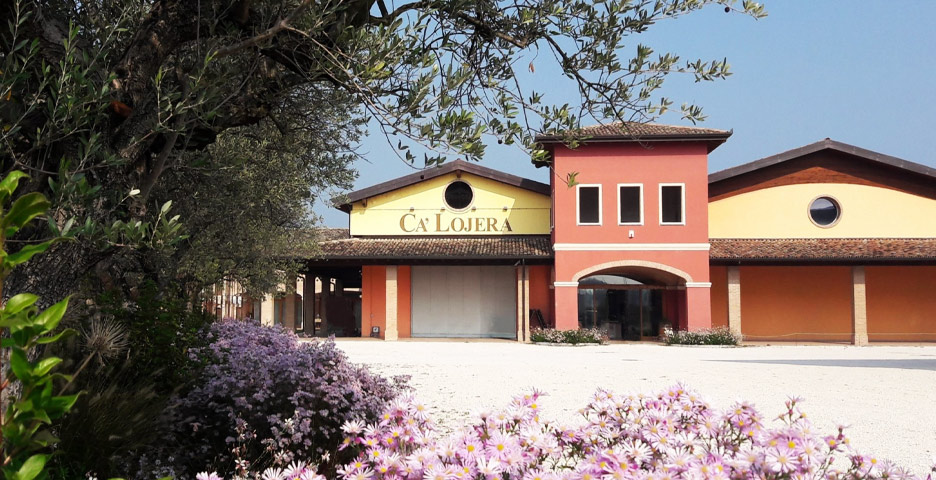
Ca’ Lojera at the heart of the DOC area
Ca’ Lojera Winery was born and operates within this balance.
Here, knowledge of individual plots, exposures, and seasonal variations is an integral part of daily work.
Producing Lugana means reading the territory every year, not repeating an automatic gesture.
Place before wine
Lugana is not a wine that can be relocated.
It exists because this place exists. And this place—with its climate, its municipalities, and its soils—remains the true protagonist of every bottle.
Drinking a Lugana from Ca’ Lojera means drawing closer to this intimate geography, shaped by natural boundaries and silent balance.